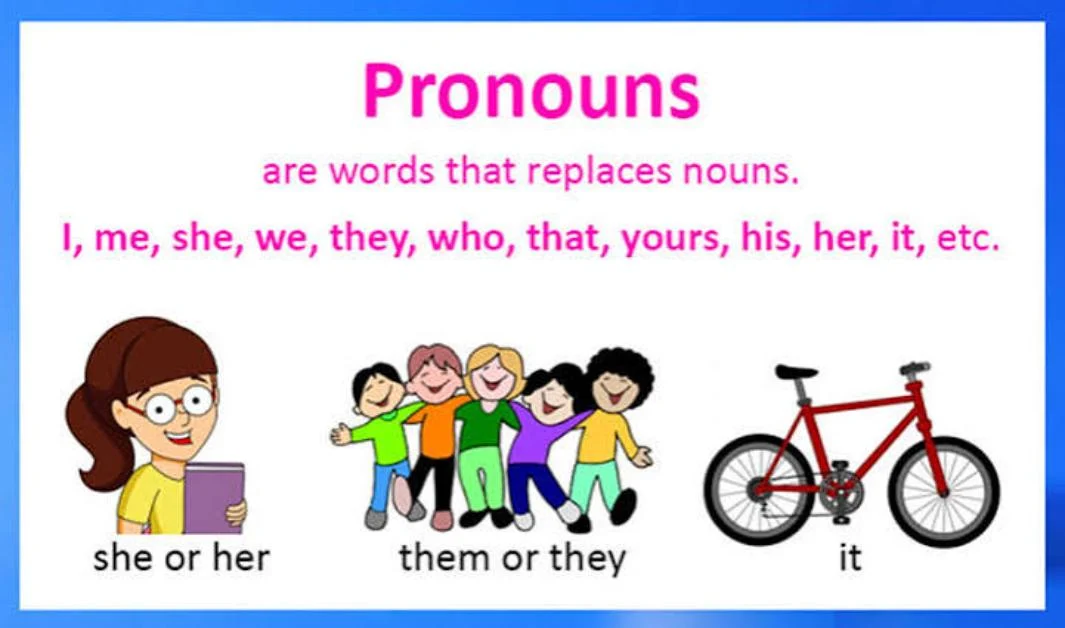
If someone asks, “What are your pronouns?”, they are asking which words you would like other people to use when talking about you.
Common pronouns include he/him, she/her, they/them, and other combinations. People often search for this question because they see it on social media profiles, dating apps, school forms, workplace introductions, or in online chats.
For some people, sharing pronouns is a simple way to help others address them correctly.
For others, the question may be new or confusing.
The phrase “what are your pronouns?” is not slang or an abbreviation. It is a direct and polite question about language.
In this guide, we will explain what the phrase means, how people use it in everyday conversations, what it means on popular social platforms, and how you can reply naturally. We will also cover common mistakes and simple examples.
What Does “What Are Your Pronouns?” Mean in Text & Chat?
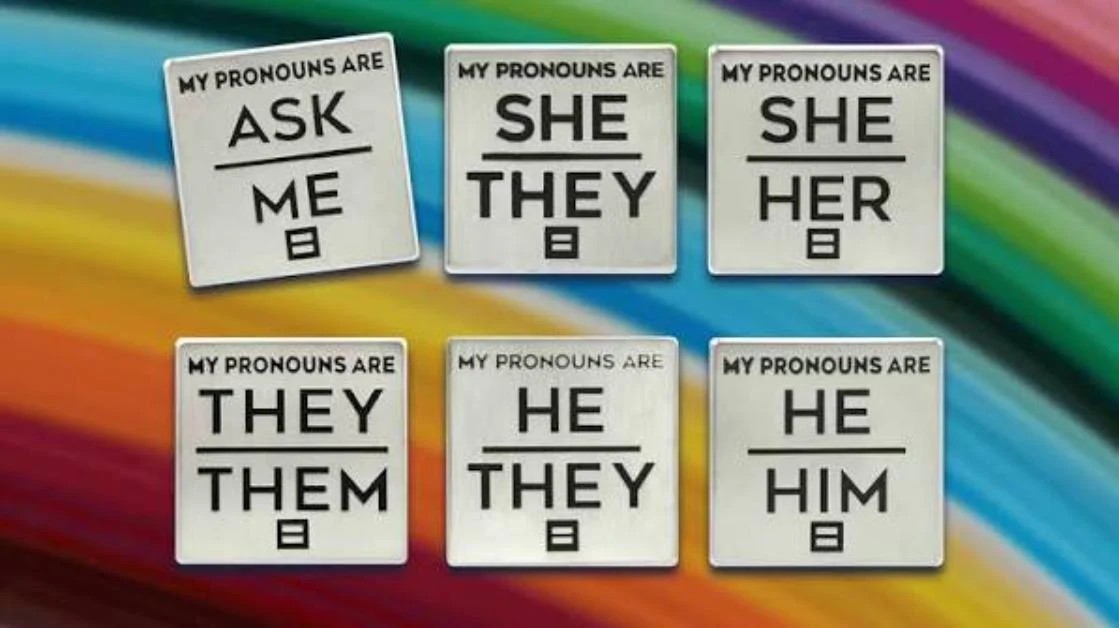
In text messages and online chats, “What are your pronouns?” means, “Which pronouns should I use when I talk about you?”
A pronoun is a word that can be used instead of someone’s name. For example, instead of saying:
- “Alex said Alex is coming later.”
- We can say, “Alex said they are coming later.”
The word they is a pronoun.
When someone asks about your pronouns, they may want to know whether you prefer he/him, she/her, they/them, or another pronoun set. Some people use more than one set of pronouns.
For example:
- He/him: “He is my friend. I spoke to him yesterday.”
- She/her: “She is my friend. I spoke to her yesterday.”
- They/them: “They are my friend. I spoke to them yesterday.”
The question is usually intended to make communication easier and more respectful. It does not necessarily mean the person is making assumptions about you.
In a chat, the question may be very short:
- “Hey, what are your pronouns?”
- “Can I ask what your pronouns are?”
- “What pronouns do you use?”
- “Pronouns?”
The meaning is generally the same.
It is also important to understand that pronouns are different from someone’s name. A person can tell you their name without telling you their pronouns.
For example:
“My name is Jordan. I use they/them.”
That tells you both the person’s name and the pronouns they prefer.
If you are unsure, asking politely can prevent an incorrect assumption.
Full Form, Stands For & Short Meaning of “What Are Your Pronouns?”
Unlike terms such as LOL, BRB, or IDK, the phrase “what are your pronouns?” does not have a hidden full form. It is a normal English sentence.
Its short meaning is:
“Which pronouns should I use for you?”
The word pronouns refers to words used in place of nouns or names. In this context, the question usually concerns personal pronouns used to refer to someone.
Some common sets include:
- He/him
- She/her
- They/them
- He/they
- She/they
There are also other pronouns that some people use. The best approach is to use the pronouns a person gives you rather than guessing.
The phrase can appear in several forms:
- “What are your pronouns?”
- “What pronouns do you use?”
- “Which pronouns should I use?”
- “Can I ask your pronouns?”
- “What should I use for you?”
All of these can communicate a similar idea.
There is no special abbreviation for the question. Sometimes people simply write “pronouns?” in a profile, message, or introduction. This is a shortened way of asking what pronouns someone uses.
For quick understanding:
- Phrase: What are your pronouns?
- Short meaning: Which pronouns should I use for you?
- Category: Everyday English
- Common online use: Profiles, introductions, chats, forms, and communities
- Not an abbreviation: Correct
- Main purpose: To avoid guessing someone’s pronouns
If you are writing an article about internet language, you can also internally connect this topic with related pages about [LOL meaning], [BRB meaning], [IDK meaning], or [IMO meaning].
Origin, History & First Known Use of “What Are Your Pronouns?”
The individual words in “what are your pronouns?” are ordinary English words with long histories. However, the modern use of the question as a direct way to ask someone which personal pronouns they use became much more visible in recent decades.
The word pronoun itself is much older than social media. English has used pronouns such as he, she, it, we, and they for centuries. People have always needed pronouns to refer to other people without repeatedly using names.
What has changed is the social use of explicitly asking someone about their pronouns.
In earlier everyday conversations, people often selected pronouns based on a person’s name, appearance, or assumptions. Today, many communities encourage people to ask rather than guess. This is especially common in schools, workplaces, universities, online communities, and social platforms.
The growth of internet profiles also helped make pronouns more visible. A social media profile can contain a person’s name, photo, biography, location, and pronouns. This gives people a simple way to tell others how they would like to be referred to.
The exact phrase “what are your pronouns?” does not have one universally recognized inventor or single launch date. It developed naturally from ordinary English as asking about pronouns became more common.
The history can therefore be understood in two parts:
- Pronouns: An old and basic part of English grammar.
- Explicitly sharing pronouns: A more recent social and online practice.
- Pronouns in profiles: Popularized further by modern digital communication.
- Pronoun questions: Increasingly common in introductions and online spaces.
So, when you see the question today, it is best understood as a modern communication practice built around an old part of English grammar.
How People Use “What Are Your Pronouns?” in Daily Conversations
People use “what are your pronouns?” when they want to know how to refer to someone in conversation or writing.
For example, imagine a new student joins a class. During introductions, someone might say:
“Hi, I’m Sam. I use she/her pronouns.”
Another person might simply ask:
“Nice to meet you. What are your pronouns?”
The question can also appear at work. During a team introduction, employees may share their names and pronouns so everyone knows how to refer to one another.
In online conversations, the wording is often more casual:
- “Hey! What pronouns do you use?”
- “Just wondering, what are your pronouns?”
- “What should I use when talking about you?”
- “Do you use she/her or something else?”
A person may also provide their pronouns without being asked:
- “Hi, I’m Taylor — they/them.”
- “I’m Chris, he/him.”
- “Jordan — she/they.”
The question does not always need a long answer. A short response is usually enough.
For example:
“I use he/him.”
Or:
“They/them for me.”
If someone is unsure about their answer, they may explain that too. There is no requirement to turn the conversation into a long discussion.
A useful rule is to listen to the answer and use the stated pronouns. If you make a mistake, a simple correction is usually enough.
For example:
“She—sorry, they said they would arrive at six.”
There is no need to create a long explanation every time.
In daily communication, the phrase is mainly about clarity. It helps people know which words to use when speaking about someone who is not being addressed directly.
“What Are Your Pronouns?” Meaning Across WhatsApp, Instagram, TikTok & Snapchat
The meaning of “what are your pronouns?” stays basically the same across WhatsApp, Instagram, TikTok, and Snapchat. What changes is the way people display or ask about them.
On WhatsApp, someone may ask directly in a private chat:
“Hey, what are your pronouns?”
The conversation may be informal, especially between new friends or members of a group.
Instagram users may place pronouns in their profile information or mention them in their bio. Someone may also ask through a direct message.
Examples:
- “Hey! What pronouns do you use?”
- “I noticed your bio. I use they/them too.”
TikTok
TikTok profiles and comments can expose people to pronoun-related language quickly. A creator may include pronouns in their profile, while viewers may ask questions in comments or messages.
For example:
“Love your videos! Also, what pronouns do you use?”
Snapchat
Snapchat conversations are often casual, so the question may be shortened:
“Pronouns?”
or:
“What do you use?”
The context usually makes the meaning clear.
Across all four platforms, the phrase is not a secret code, trend abbreviation, or slang term. It is a straightforward question.
Quick examples:
- WhatsApp: “What are your pronouns?”
- Instagram: “My pronouns are she/her.”
- TikTok: “What pronouns do you use?”
- Snapchat: “Pronouns?”
- Profile: “Alex | they/them”
One important point is that social platforms change their profile features over time. The exact location or appearance of a pronoun field may differ between apps, countries, accounts, and app versions. The basic meaning, however, remains the same.
Different Meanings of “Pronouns” in Other Fields
The word pronouns has a broader meaning in English grammar than its use in online profiles.
In grammar, a pronoun is a word that takes the place of a noun or noun phrase. Common examples include I, you, he, she, it, we, and they.
Consider this sentence:
“Maria went to the store because Maria needed milk.”
Repeating the name sounds awkward. We can say:
“Maria went to the store because she needed milk.”
Here, she is a pronoun.
Pronouns can appear in different grammatical roles.
Subject pronouns
These usually identify who performs an action:
- I
- you
- he
- she
- we
- they
Example:
“They arrived early.”
Object pronouns
These can identify who receives an action:
- me
- you
- him
- her
- us
- them
Example:
“I called him.”
Possessive forms
These show ownership or connection:
- my
- your
- his
- her
- our
- their
Example:
“That is their phone.”
In modern discussions, the word pronouns is often used when talking about a person’s preferred way of being referred to. This is related to grammar, but it is also a matter of personal language preference.
The context matters.
If a grammar teacher says:
“Find the pronouns in this sentence.”
They are asking you to identify grammatical pronouns.
If a new coworker asks:
“What are your pronouns?”
They are asking which personal pronouns you use.
The same word therefore appears in both traditional grammar and modern social communication.
Common Confusions, Mistakes & Wrong Interpretations
The phrase “what are your pronouns?” can confuse people who have not seen it before. One common mistake is assuming that it is asking for someone’s name.
It is not.
For example:
“My name is Daniel, and I use he/him.”
“Daniel” is the name. He/him are pronouns.
Another common misunderstanding is thinking that everyone must give the same answer. People use different pronouns, and some people may use more than one set.
Another mistake is treating pronouns as a nickname or username. They are neither.
People also sometimes confuse pronouns with a person’s job, personality, or relationship status. Those are separate things.
Common mistakes
- Assuming someone’s pronouns based only on appearance.
- Thinking pronouns are the same as a person’s name.
- Believing everyone uses only one possible pronoun set.
- Treating the question as an abbreviation.
- Making the conversation unnecessarily awkward.
- Ignoring the answer after someone shares their pronouns.
If you make a pronoun mistake, a simple correction is often enough.
For example:
“She—sorry, he said he would call later.”
There is usually no need to make the situation dramatic.
Another useful point: asking about pronouns does not automatically tell you everything about a person. It simply tells you which pronouns they use or prefer.
If you do not know someone’s pronouns, you can ask politely when it is relevant.
A natural version is:
“What pronouns do you use?”
This sounds friendly and direct.
If asking would feel unnecessary in the situation, you can sometimes avoid pronouns entirely by using the person’s name until you know how they prefer to be referred to.
The main goal is simple: do not guess when you can communicate clearly and respectfully.
Similar Terms, Alternatives & Related Slang
There are several phrases that can mean almost the same thing as “what are your pronouns?” The wording changes, but the basic question remains similar.
Common alternatives include:
- “What pronouns do you use?”
- “Which pronouns should I use?”
- “How should I refer to you?”
- “What pronouns do you go by?”
- “Can I ask your pronouns?”
- “What should I call you?” — broader and not exactly the same.
- “Pronouns?” — very short and informal.
Some of these are more direct than others.
For example, “What pronouns do you use?” is clear and natural. “How should I refer to you?” is broader because it can include names and other forms of address.
You may also see pronouns written as pairs:
- he/him
- she/her
- they/them
- he/they
- she/they
These are not slang. They are common ways of displaying pronouns in short form.
If you are creating internal links for an abbreviation or slang website, you can connect this page with related language pages such as:
- [What does LOL mean?]
- [What does IDK mean?]
- [What does BTW mean?]
- [What does IMO mean?]
- [What does TBH mean?]
- [What does WYD mean?]
These related pages can help readers understand other common terms they encounter in online conversations.
Examples of “What Are Your Pronouns?” in Real Chat Situations
Seeing the phrase in context makes its meaning easier to understand. Here are some realistic examples.
Example 1: Meeting someone online
Alex: Hey! Nice to meet you 😊
Sam: Nice to meet you too!
Alex: What are your pronouns?
Sam: They/them.
Here, Alex is simply asking which pronouns to use for Sam.
Example 2: A friendly introduction
Mia: I’m Mia, she/her.
Jake: I’m Jake, he/him.
Mia: Nice! 😊
In this example, nobody needs to ask because both people shared their pronouns naturally.
Example 3: A group chat
Chris: We have two new people joining the group.
Taylor: Welcome! What pronouns do you both use?
Jordan: She/her.
Casey: They/them.
The question helps the group know how to refer to the new members.
Example 4: Someone is unsure
A: What are your pronouns?
B: I usually use they/them.
A: Got it 👍
The conversation can be that simple.
Example 5: Correcting a mistake
A: She said—sorry, they said they will join later.
B: No worries!
A small correction keeps the conversation moving.
Example 6: A social profile
Jordan
Creator | they/them
Travel • Music • Food
Here, the profile tells visitors which pronouns Jordan uses without requiring anyone to ask.
These examples show that the phrase is usually straightforward. The exact wording depends on the relationship, platform, and situation.
How to Reply When Someone Says “What Are Your Pronouns?”
If someone asks “What are your pronouns?”, the easiest reply is to state the pronouns you use.
For example:
- “I use he/him.”
- “She/her for me.”
- “I use they/them.”
- “I use she/they.”
- “I usually go by he/they.”
You do not need to write a long explanation unless you want to.
Simple replies
“He/him 😊”
“She/her.”
“They/them for me.”
“I use she/they.”
If you are not sure what the person means, you can ask:
“Do you mean which pronouns I use?”
That gives you a chance to understand the question before answering.
If you do not want to share your pronouns, you can respond politely:
“I prefer not to share.”
You can also explain that you are still figuring out what language feels right for you.
For example:
“I’m still figuring that out.”
The important thing is that you do not have to copy someone else’s answer. Your response should reflect what you are comfortable sharing.
If someone tells you their pronouns, a simple acknowledgment works well:
- “Got it.”
- “Thanks for letting me know.”
- “Sure thing.”
- “Thanks 😊”
You do not need to make the exchange complicated.
The goal of the question is communication. A short, clear answer is normally the best answer.
Is “What Are Your Pronouns?” Still Popular? Trends & Online Usage
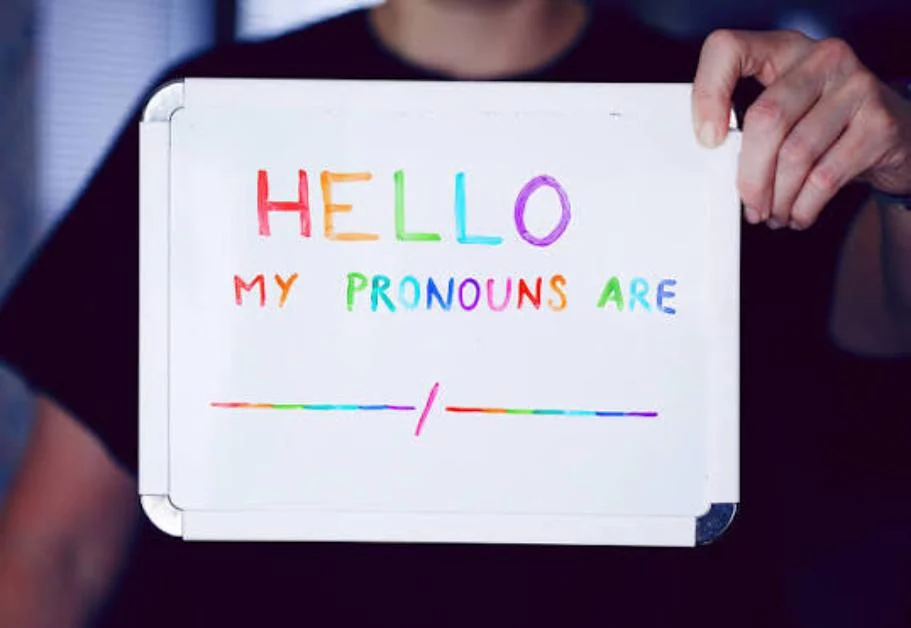
Yes. “What are your pronouns?” remains a recognizable phrase in modern online and offline communication. Its visibility is especially strong in places where people introduce themselves through profiles, forms, communities, workplaces, schools, and social networks.
The phrase has also become more familiar because people increasingly see pronouns written next to names. A profile might say:
Taylor | they/them
Once users understand this format, they are more likely to recognize questions such as:
“What pronouns do you use?”
The phrase is not really a trend word like a temporary piece of internet slang. It is better understood as a communication practice.
Its use can vary greatly by community and situation. Some people share pronouns openly. Others may not mention them unless someone asks. Some online communities encourage introductions that include pronouns, while others do not.
This means you should avoid assuming that every person uses or shares pronouns in the same way.
The wording may also evolve. You might see:
- “What are your pronouns?”
- “What pronouns do you use?”
- “Pronouns?”
- “How should I refer to you?”
- “What do you go by?”
These phrases can appear in both casual and formal settings.
For SEO and online language websites, the topic remains useful because people often search for the phrase after seeing it in a profile, message, comment, application, or introduction.
The simplest takeaway is:
“What are your pronouns?” means “Which pronouns should I use when referring to you?”
That meaning remains consistent even when the platform or wording changes.
FAQs
What does “what are your pronouns?” mean?
It means, “Which pronouns should I use when talking about you?” Common answers include he/him, she/her, and they/them.
Is “what are your pronouns?” slang?
No. It is a normal English question. People may use shorter forms such as “pronouns?” in casual online chats.
Is “he/him” a pronoun?
“He” and “him” are pronouns. The format he/him is a short way of showing which related pronoun forms someone uses.
What should I say if someone asks for my pronouns?
You can give the pronouns you use, such as “I use she/her” or “I use they/them.” If you do not want to answer, you can politely say so.
Why do people put pronouns in their social media bios?
People may add pronouns to their bios to tell others how they prefer to be referred to. It can also make introductions easier.
Can someone use more than one pronoun set?
Yes. Some people use more than one set, such as she/they or he/they.
Is asking about pronouns rude?
The question itself is generally a polite way to avoid making assumptions. Tone and context still matter, so asking naturally and respectfully is best.
Are pronouns the same as a person’s name?
No. A name identifies a person, while pronouns are words used to refer to them.
What does “pronouns in bio” mean?
It means a person has listed the pronouns they use in their social media profile or biography.
Can I avoid using someone’s pronouns?
If you know which pronouns someone uses, it is generally best to respect that information. If you are unsure, you can use their name while asking politely.
Conclusion:
The question “what are your pronouns?” is a simple English phrase that asks which pronouns someone uses when being referred to. It is not an abbreviation or secret internet code.
You may see it in WhatsApp messages, Instagram bios, TikTok profiles, Snapchat chats, workplaces, schools, and other online communities.
The most common answers are written in short forms such as he/him, she/her, and they/them, although people may use other combinations too.
If someone asks you the question, you can answer briefly or explain more if you wish. If someone shares their pronouns with you, simply use the information they provided.
The key idea is easy:
“What are your pronouns?” means “Which pronouns should I use for you?” Once you understand that, the phrase becomes much easier to recognize and use naturally in everyday conversations.
