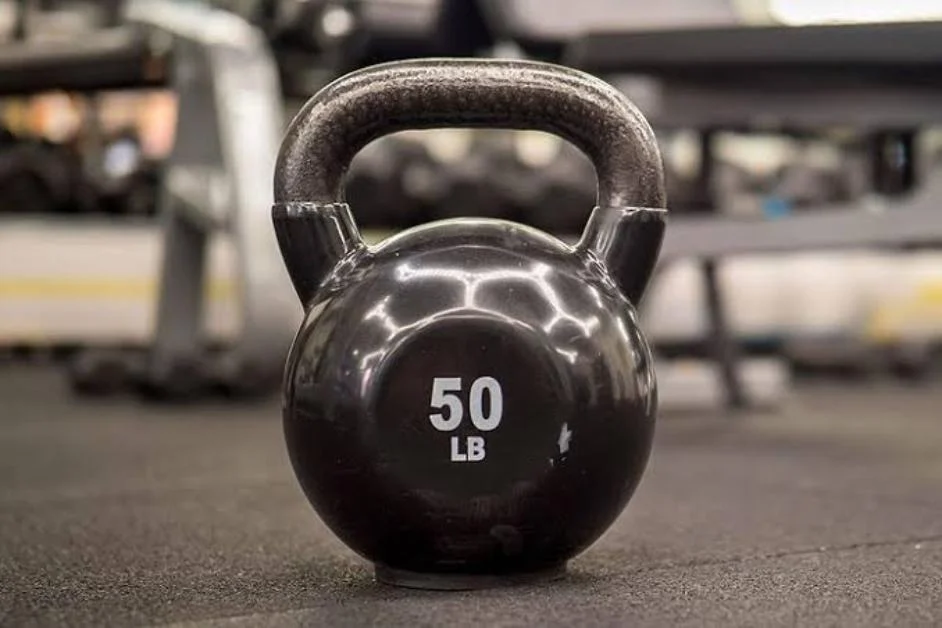
If you have seen “lbs” in a text message, chat, or social media post, you may wonder what the person really means. The good news is that “lbs” is usually easy to understand once you look at the context. Most often, lbs means “pounds,” a unit used to talk about weight. For example, someone might text, “I lost 10 lbs,” meaning they lost 10 pounds.
People often search for the lbs meaning in text because online conversations use short forms, abbreviations, and slang. Some abbreviations have several meanings, which can make a simple message confusing.
In this guide, you will learn what lbs means in texting, where the abbreviation comes from, how people use it on WhatsApp, Instagram, TikTok, and Snapchat, and how to reply when you see it. You will also find simple examples to make the meaning clear.
What Does LBS Mean in Text & Chat?
In most text messages and online chats, lbs means “pounds.” A pound is a common unit of weight, especially in the United States and a few other countries.
People usually use “lbs” when talking about a person’s weight, the weight of an object, food portions, luggage, pets, fitness goals, or products.
For example:
- “My dog weighs 45 lbs.”
- “I bought 5 lbs of rice.”
- “This package is about 20 lbs.”
- “I lost 8 lbs this month.”
- “How many lbs can this bag hold?”
The abbreviation is useful because typing “pounds” every time can make a casual message longer than necessary.
However, lbs is not usually a special texting slang term. Unlike abbreviations such as “LOL,” “BRB,” or “IDK,” it normally keeps the same basic meaning it has outside texting.
Context is still important. Someone writing “I need to lose 10 lbs” is clearly talking about weight. If you see “lbs” in a business, school, or technical conversation, it could refer to something else because LBS can also be an acronym for different names or terms.
For everyday texting, though, the safest interpretation is:
LBS = pounds.
If the sentence does not seem to involve weight, look at the surrounding words before deciding what the sender means.
Full Form, Stands For & Short Meaning of LBS
The most common full form of lbs is “pounds.” It is the plural form of the abbreviation for the pound, a unit of mass or weight.
The singular form is commonly written as lb, while the plural is commonly written as lbs.
Here is the simple breakdown:
- lb = pound
- lbs = pounds
- 1 lb = one pound
- 10 lbs = ten pounds
- 50 lbs = fifty pounds
You may also see the abbreviation written with a period as “lb.” or “lbs.”, although informal digital writing often leaves out punctuation.
A useful point is that the abbreviation “lb” does not come directly from the English word “pound.” It comes from the Latin word libra, which was associated with weight and measurement.
This is why the abbreviation can look unusual. If you expected “pound” to become “pd” or “pds,” “lb” may seem confusing at first.
In modern texting, people usually do not think about this history. They simply use “lbs” because it is familiar and quick.
For example:
- “How many lbs are you lifting?”
- “The box weighs 12 lbs.”
- “I need 2 lbs of flour.”
- “My suitcase is 35 lbs.”
When someone asks for the short meaning of lbs, the simplest answer is:
LBS means pounds, usually referring to weight.
If you are writing for an international audience, remember that many countries use kilograms instead. This can sometimes cause confusion when people compare weights online.
Origin, History & First Known Use of LBS
The story behind lbs goes back much further than texting, smartphones, or social media. The abbreviation comes from the older measurement system associated with the pound.
The short form “lb” comes from the Latin word “libra.” The word was connected with scales, weight, and measurement. Over time, “libra” became the source of the abbreviation used for the pound.
This explains why the abbreviation does not look like the English word “pound.”
The pound has a long history in European systems of measurement. Different versions of the pound existed in different places and periods, so its exact value was not always the same. Modern definitions made the unit much more consistent.
Today, the pound used for everyday weight in the United States is commonly understood as avoirdupois pound, equal to about 453.6 grams.
The plural abbreviation “lbs” developed from the use of “lb” for pound. The letter “s” signals the plural in common writing, even though modern measurement conventions often simply use “lb” after a number.
For example, you may see both:
- “1 lb”
- “5 lbs”
In casual internet writing, “lbs” is extremely common because people generally write the way they speak.
So, although “lbs meaning in text” is a modern search query, the abbreviation itself has a much older history.
The next time you see “lbs” in a message, you are seeing a short form with roots in an old measurement tradition—not a slang word created by social media.
How People Use LBS in Daily Conversations
People use lbs in everyday conversations whenever weight is part of the discussion. It is especially common in conversations about fitness, food, shopping, pets, travel, and packages.
Fitness is one of the most common areas where you may see it. Someone might tell a friend how much they lifted at the gym or how much weight they have gained or lost.
Examples include:
- “I can bench 150 lbs now.”
- “The dumbbells are 25 lbs each.”
- “I gained 5 lbs over the holidays.”
- “I’m trying to lose 10 lbs.”
Food conversations can also include the abbreviation:
- “Can you buy 3 lbs of chicken?”
- “I need 2 lbs of apples.”
- “The cake weighs about 4 lbs.”
It is also useful when discussing packages and luggage:
- “The package is 18 lbs.”
- “My suitcase is 48 lbs.”
- “This box is too heavy. It’s almost 60 lbs.”
People may use “lbs” casually even when the conversation is not formal.
For example:
Friend: “How much does your new puppy weigh?”
You: “About 12 lbs 🐶”
There is no special hidden meaning here. The sender simply means twelve pounds.
One thing to remember is that lbs is normally a measurement abbreviation, not emotional slang. If someone sends “lbs” by itself, you may need to look at the earlier messages to understand what they are referring to.
For example, after discussing a suitcase, “45 lbs” obviously refers to luggage weight. After discussing gym equipment, it probably refers to lifting weight.
LBS Meaning Across WhatsApp, Instagram, TikTok & Snapchat
The lbs meaning in text generally stays the same across WhatsApp, Instagram, TikTok, Snapchat, and other social platforms.
On WhatsApp, people may use “lbs” when talking about body weight, shopping, food, pets, packages, or exercise.
Example:
- “How much does your cat weigh?”
- “Around 14 lbs 😺”
On Instagram, “lbs” may appear in captions, comments, direct messages, fitness posts, or product discussions.
Example:
- “These weights are 20 lbs each.”
- “I lost 15 lbs.”
On TikTok, you may see “lbs” in videos about fitness, weight changes, cooking, pets, travel, or challenges. A creator might write “50 lbs” on screen to describe a weight.
On Snapchat, the abbreviation is often used in short conversations because Snapchat messages tend to be casual and brief.
Example:
- “How heavy is the bag?”
- “About 30 lbs 😂”
The important point is that social media does not automatically give lbs a different meaning.
Some online abbreviations do change meaning depending on the platform, but “lbs” normally remains connected to pounds when the topic is weight.
However, uppercase LBS can sometimes represent an unrelated acronym. That is why you should consider the conversation before interpreting it.
A quick rule can help:
- Talking about weight? → lbs = pounds
- Talking about gym exercises? → lbs = pounds
- Talking about food quantities? → lbs = pounds
- Talking about luggage or packages? → lbs = pounds
- Talking about an organization or business? → LBS may have another meaning
Different Meanings of LBS in Other Fields
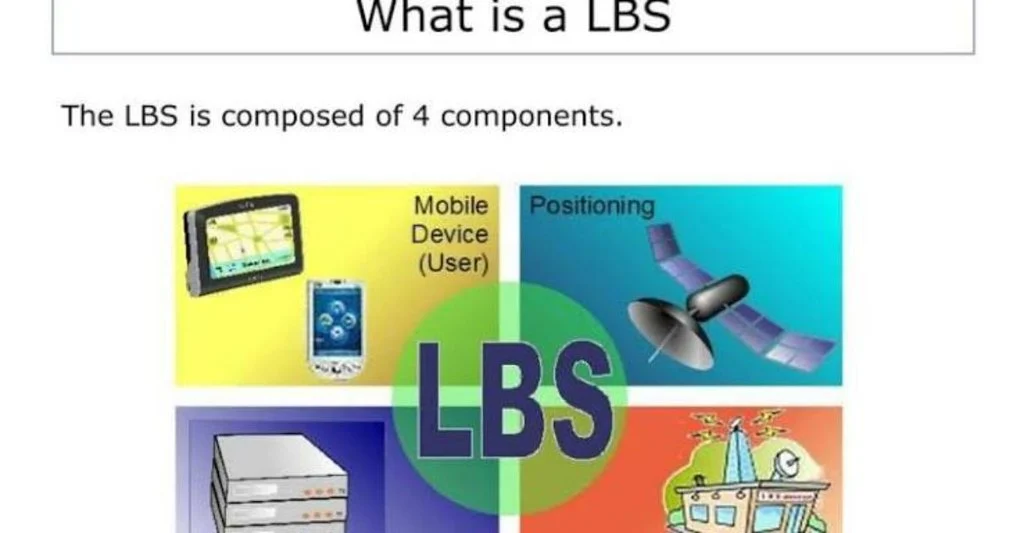
Although lbs usually means pounds, the letters LBS can stand for different things in other fields.
This is an important distinction. A lowercase “lbs” in a casual message about weight is different from an uppercase “LBS” used as an acronym for an organization, technical term, or professional concept.
For example, LBS can refer to London Business School in an education or business context.
It may also appear as an abbreviation for specific organizations, systems, programs, or technical terms. The correct meaning depends entirely on the subject being discussed.
In measurement conversations, however, “lbs” almost always points to pounds.
Consider these examples:
- “The parcel weighs 25 lbs.” → pounds
- “I lift 40 lbs.” → pounds
- “She bought 10 lbs of potatoes.” → pounds
- “I applied to LBS.” → potentially an organization or school
- “Read the LBS report.” → could be a specialized acronym
Capitalization can offer a small clue, but it is not enough by itself. People often type without following capitalization rules, especially in text messages.
If you see LBS and do not know what it means, look at the surrounding words.
Ask yourself:
- Is the conversation about weight?
- Is someone discussing fitness?
- Is food being measured?
- Is the topic education or business?
- Is the abbreviation part of an organization’s name?
This approach prevents unnecessary confusion.
For ordinary texting, though, lbs = pounds is by far the most useful interpretation when weight is being discussed.
Common Confusions, Mistakes & Wrong Interpretations
One common mistake is assuming that lbs is always internet slang. It usually is not. In most everyday messages, it is simply an abbreviation for pounds.
Another mistake is confusing lb and lbs.
The basic distinction is:
- lb = one pound
- lbs = multiple pounds
For example:
- “This weighs 1 lb.”
- “These weigh 10 lbs.”
In casual texting, people do not always follow this rule perfectly. You may see “10 lb” even though “10 lbs” is common in informal writing.
Another confusion happens when people think the “lb” abbreviation should be “pd.” The reason for “lb” comes from the historical Latin connection to libra.
People can also confuse lbs with kilograms. A pound and a kilogram are not the same measurement.
For quick reference:
- 1 lb ≈ 0.454 kg
- 1 kg ≈ 2.205 lbs
A different mistake occurs when someone sees LBS in a sentence that has nothing to do with weight and automatically assumes it means pounds.
For example:
“I have an interview at LBS next week.”
That probably does not mean “pounds.” The context suggests that LBS is the name or abbreviation of an institution.
The best solution is simple: never interpret an abbreviation without checking the surrounding message.
If the meaning still is not clear, asking the sender is perfectly normal.
You can say:
- “Do you mean pounds?”
- “What does LBS mean here?”
- “Are you talking about weight?”
Similar Terms, Alternatives & Related Slang
There are several abbreviations and terms that are related to lbs, especially when people talk about measurements.
The most obvious alternative is kg, which means kilograms. Kilograms are widely used around the world and are part of the metric system.
Another common weight abbreviation is oz, meaning ounces.
Here are some useful related terms:
- lb / lbs → pound / pounds
- kg → kilogram / kilograms
- oz → ounce / ounces
- g → gram / grams
- mg → milligram / milligrams
- wt. → weight
- heaviness → informal description of how heavy something is
In fitness chats, you may also see words such as:
- PR → personal record
- 1RM → one-rep max
- reps → repetitions
- sets → groups of repetitions
- plate → a weight plate used with gym equipment
For example:
“I hit a new PR at 185 lbs.”
Here, lbs tells you the weight, while PR tells you that the person achieved a personal record.
If you are building an abbreviation-focused website, this topic can also create useful internal links. Consider linking this page to related pages such as:
- [kg meaning in text]
- [oz meaning in text]
- [wt meaning in text]
- [PR meaning in text]
- [LOL meaning in text]
- [BRB meaning in text]
- [IDK meaning in text]
- [BTW meaning in text]
These links can help readers move naturally between related abbreviation explanations while also creating a stronger internal-link structure for SEO.
Examples of LBS in Real Chat Situations
Seeing lbs in real conversations makes its meaning much easier to understand.
Example 1: Fitness
Friend: “How much are you benching now?”
You: “About 135 lbs 💪”
Here, “lbs” clearly means pounds.
Example 2: Weight loss
Friend: “How much did you lose?”
You: “Around 12 lbs.”
The abbreviation refers to twelve pounds.
Example 3: Food
Mom: “Can you get some potatoes?”
You: “Sure. How many?”
Mom: “About 5 lbs.”
Here, “lbs” describes the amount of potatoes by weight.
Example 4: Pet
Friend: “How much does your puppy weigh now?”
You: “He’s almost 20 lbs 🐶”
Again, it means pounds.
Example 5: Package
Customer: “How heavy is the box?”
Seller: “Around 25 lbs.”
The seller is giving the package weight.
Example 6: Luggage
Traveler: “My suitcase is 55 lbs 😭”
The person is saying their suitcase weighs 55 pounds.
Example 7: Unclear acronym
Friend: “I’m applying to LBS.”
Here, “LBS” probably does not mean pounds. The topic suggests an organization, school, or another named entity.
The main lesson is simple: look at the words around “lbs.” Context usually makes the intended meaning obvious.
How to Reply When Someone Says LBS
How you reply to lbs depends on what the person is talking about.
If they give you a weight, you can simply respond to the information.
For example:
Them: “The box is 30 lbs.”
Possible replies:
- “That’s pretty heavy!”
- “Okay, thanks.”
- “Got it 👍”
- “Can you carry it?”
- “I’ll bring a bigger bag.”
If they say:
Them: “I lost 10 lbs!”
You might reply:
- “Wow, nice work!”
- “That’s a big change!”
- “Congrats! 🎉”
- “That’s great!”
If you are not sure what they mean, asking for clarification is better than guessing.
Try:
- “Do you mean pounds?”
- “Is that the weight?”
- “What does LBS mean here?”
If they use LBS as an acronym rather than “pounds,” the right response will depend on the context.
For example:
Them: “I’m starting at LBS this fall.”
Instead of assuming they mean pounds, you could ask:
“Do you mean London Business School?”
In casual conversations, there is no special reply required for “lbs.” It is simply a measurement abbreviation.
The best response is usually based on the subject of the conversation rather than the abbreviation itself.
Is LBS Still Popular? Trends & Online Usage
Yes, lbs remains widely understood and used, especially in conversations involving weight.
Its popularity is not really based on internet slang trends. Unlike newer abbreviations that appear and disappear quickly, “lbs” is tied to a long-established unit of measurement.
You are likely to see it in:
- Fitness conversations
- Weight-loss discussions
- Cooking messages
- Pet conversations
- Shipping and delivery chats
- Travel and luggage discussions
- Product descriptions
- Social media captions
- Online marketplaces
The growth of fitness content has also kept weight-related language common online. People regularly discuss lifting numbers, body weight, fitness progress, food quantities, and equipment.
For example:
- “I’m lifting 100 lbs now.”
- “This dumbbell is 30 lbs.”
- “The dog is 70 lbs.”
- “My luggage is 40 lbs.”
At the same time, people in many countries prefer kg because the metric system is more common internationally. This means “lbs” may appear more often in American-focused conversations than in some other regions.
The key difference is that lbs is not a trend-dependent slang term. Its meaning is stable.
So if you encounter “lbs” in a text today, the most likely meaning remains pounds, particularly when the conversation involves weight.
If the topic has nothing to do with weight, check the context because LBS can also be an acronym for other things.
Frequently Asked Questions
What does lbs mean in text?
In most text messages, lbs means pounds. It is commonly used when talking about weight, such as body weight, food, luggage, pets, packages, or gym equipment.
What does LBS stand for?
The most common meaning of lbs is pounds. The abbreviation comes from the historical Latin word “libra,” which is why the letters do not directly resemble the English word “pound.”
Is lbs slang?
Usually, no. Lbs is better described as an abbreviation than slang. People use it in both casual conversations and practical situations involving weight.
What is the difference between lb and lbs?
Lb usually represents one pound, while lbs commonly represents more than one pound.
For example:
- 1 lb
- 5 lbs
- 20 lbs
In informal writing, people do not always follow the distinction perfectly.
Does lbs mean pounds on Instagram?
Yes, when the topic is weight, lbs means pounds on Instagram, just as it does in regular texting. The same meaning is common on WhatsApp, TikTok, Snapchat, and other platforms.
Does lbs mean anything besides pounds?
Yes. LBS or lbs can represent other terms or names depending on the context. For example, LBS may be used as an abbreviation for an educational institution or organization. Context is the best way to identify the intended meaning.
How many kilograms is 10 lbs?
10 lbs is about 4.54 kilograms. The exact conversion is approximately 0.4536 kilograms for one pound.
Why is pound abbreviated as lb?
The abbreviation comes from libra, a Latin term associated with weight and measurement. This historical abbreviation continued into modern English.
Is “lbs” used in formal writing?
It can be, especially in contexts involving measurements. However, the exact style can vary depending on the publication, industry, or style guide. In casual digital writing, “lbs” is very common.
Conclusion:
The lbs meaning in text is usually simple: lbs means pounds. People use it when talking about weight, including body weight, gym equipment, food, pets, luggage, and packages.
Unlike many internet abbreviations, “lbs” is not mainly modern slang. It is a long-established abbreviation connected to the historical word “libra.”
You may see “lbs” on WhatsApp, Instagram, TikTok, Snapchat, and other platforms, and the meaning normally stays the same. Still, context matters because LBS can sometimes represent another acronym.
If you see a message such as “I lost 10 lbs” or “The package weighs 20 lbs,” you can confidently understand it as pounds. When the topic is unclear, simply ask the sender what they mean
