If you have seen “WND” in a text message, comment, or social media chat, you may have wondered what those three letters mean.
Unlike popular shortcuts such as LOL, BRB, or OMG, WND does not have one fixed meaning that everyone uses. Its meaning can change based on the sentence, the person using it, and the topic of the conversation.
In standard dictionary use, wnd is an abbreviation for “wind.” In casual online conversations, however, some people use WND as an informal shortcut for phrases such as “What’s New?” or “What’s New, Dude?” These chat meanings are less standardized.
That is why people search for WND meaning in text. They want to know whether the sender is talking about wind, asking what is new, or using a private shorthand. The easiest way to understand WND is to look at the words around it.
What Does WND Mean in Text & Chat?
WND does not have one universal meaning in texting. The correct interpretation depends on context.
The most established abbreviation is “wind.” Merriam-Webster lists wnd as an abbreviation for wind. This use is especially easy to understand when the conversation is about weather, outdoor activities, travel, flying, or sports.
For example:
- “The wnd is getting stronger.” → wind
- “Check the wnd before we go sailing.” → wind
- “Strong wnd today.” → strong wind
In casual chat, WND may also be used as an informal greeting or question. Some online sources describe it as “What’s New?” or “What’s New, Dude?”
For example:
- “Hey WND?” → possibly “What’s new?”
- “WND bro?” → possibly “What’s new, dude?”
- “Long time! WND?” → likely asking for an update
The key point is that these slang meanings are not standardized. You should not automatically assume that WND means “What’s New, Dude?” every time you see it.
A quick rule can help:
- If the message discusses weather → wind
- If it looks like a greeting → possibly What’s New?
- If the context is technical → check the field
- If nothing makes sense → ask the sender
Context is more important than the three letters themselves.
Full Form, Stands For & Short Meaning of WND
There is no single official “full form” of WND in texting.
This is important because many internet abbreviations have one widely accepted expansion, while WND can be interpreted in several ways.
Common meanings you may encounter
- Wind — an established dictionary abbreviation.
- What’s New? — an informal chat interpretation.
- What’s New, Dude? — a more casual expansion sometimes reported on slang websites.
- Other technical meanings — possible in specialized fields.
If someone sends only “WND?”, the meaning is not guaranteed. The sender may be using a personal abbreviation, or they may expect you to understand the slang from your previous conversations.
For SEO and everyday understanding, the safest explanation is:
WND meaning in text = a context-dependent abbreviation. It commonly refers to “wind,” while some casual chat users may use it to mean “What’s New?” or “What’s New, Dude?”
This distinction prevents a common mistake: treating every abbreviation as if it had one official definition.
For example, compare these messages:
- “The wnd is crazy today.” → clearly wind
- “Hey, WND?” → likely a casual What’s New?
- “WND speed is 25 knots.” → almost certainly wind
- “WND bro 😂” → probably informal slang
When writing formally, it is better to use the complete word or phrase instead of WND. Short forms work best when both people understand them.
Origin, History & First Known Use of WND
There is no reliable evidence showing that one person invented WND as a texting abbreviation or that it has one specific “first use” in internet slang.
That matters because online abbreviations often develop naturally. People shorten words to type faster, fit limited spaces, or make messages feel more casual. This process has been common since early SMS texting, internet chat rooms, forums, and instant messaging.
The abbreviation wnd = wind has a stronger conventional basis than some of the newer slang interpretations. Dictionary sources recognize wnd as an abbreviation for wind.
The casual meanings are different. Informal users can create abbreviations within friend groups, gaming communities, social circles, or online communities. A phrase such as “What’s New?” can be shortened in different ways depending on the group.
The evolution usually looks something like this:
- Full words are shortened to save typing time.
- Vowels may be removed.
- Friends begin recognizing the shortened form.
- Social media spreads the shorthand to new groups.
- Different communities give the same letters different meanings.
This is why it is difficult to give WND one exact birth date.
It is also worth being careful with claims about its “first known use.” There is no strong evidence that a particular social media platform created WND as a universal slang term.
Instead, WND is better understood as an informal abbreviation whose meaning depends on usage and context.
That is common in digital language. The same three letters can have one meaning in a weather report and another in a private conversation.
How People Use WND in Daily Conversations
People use WND differently depending on what they are talking about.
When WND means wind, it usually appears in conversations about weather or outdoor conditions. Someone might shorten the word when sending a quick message.
Examples:
- “Heavy wnd tonight.”
- “The wnd is too strong for the trip.”
- “How’s the wnd there?”
- “The wnd picked up suddenly.”
In casual conversation, a person might also use WND as a greeting. In that situation, the intended meaning may be “What’s New?”
Examples:
- “Hey WND?”
- “Yo, WND with you?”
- “Long time no talk. WND?”
- “WND bro? Everything good?”
Notice how punctuation and surrounding words can provide clues.
A message such as “Strong wnd today 🌬️” strongly suggests wind. A message such as “Hey WND? 😂” looks more like a conversational greeting.
Quick ways to identify the meaning
- Look at the sentence before WND.
- Check whether the conversation is about weather.
- Notice emojis such as 🌬️ or weather symbols.
- Look at the punctuation.
- Consider whether the sender normally uses slang.
- Think about your previous conversation.
If you are still unsure, there is nothing wrong with asking.
A simple “What do you mean by WND?” can prevent a misunderstanding.
WND Meaning Across WhatsApp, Instagram, TikTok & Snapchat
The meaning of WND does not automatically change from one social media platform to another. WhatsApp, Instagram, TikTok, and Snapchat all support informal communication, so users may create or use abbreviations differently.
WND on WhatsApp
WhatsApp chats are often informal. If a friend writes:
- “WND?”
- “Hey bro, WND?”
- “WND with you these days?”
they may be using WND as a casual way of asking what is new.
But if the conversation is about weather, WND can mean wind.
WND on Instagram
On Instagram, WND might appear in a direct message, comment, or story reply.
For example:
- “Nice trip! WND?”
- “The wnd looks crazy there 🌬️”
- “WND bro 😂”
The surrounding content matters. A travel photo with a beach and a weather discussion could point toward wind, while a DM between friends could suggest a greeting.
WND on TikTok
TikTok comments often contain unusual shorthand. A creator or viewer may use WND casually, but it is not a universally recognized TikTok acronym.
Do not assume every use has the same meaning.
WND on Snapchat
Snapchat encourages short, fast messages, so abbreviations are natural. Still, WND is not as universally recognized as common Snapchat slang such as “HMU,” “TBH,” or “WYD.”
The safest approach across every platform is simple: read the context before interpreting WND.
Different Meanings of WND in Other Fields
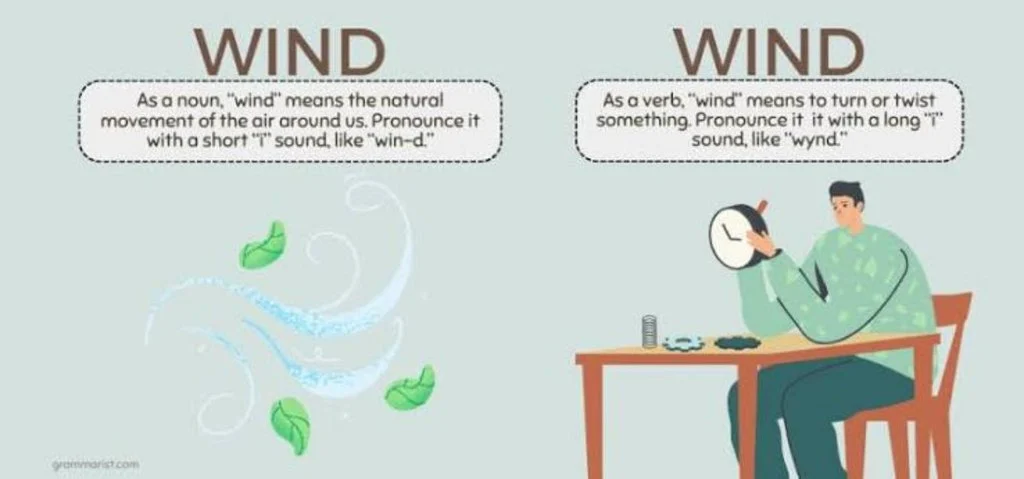
WND can mean different things outside casual texting.
The most straightforward technical or general abbreviation is wind. Dictionary references recognize wnd as an abbreviation for wind.
In fields where wind is important, abbreviations are often used to keep notes, charts, or data compact.
Possible contexts include:
- Weather information
- Meteorology
- Aviation
- Outdoor activity reports
- Environmental data
- Technical systems
- Maps and weather displays
For example, a weather-related note could use WND as shorthand for wind information.
There are also other meanings listed for the acronym WND in specialized databases. These can include organizational names, technical terms, business references, and other field-specific definitions.
This is why searching for “WND meaning” without giving a context can produce many different answers.
What about medical use?
Some online abbreviation lists report medical or clinical meanings for WND. However, medical abbreviations can vary between organizations and documents. A reader should not assume that a medical abbreviation has the same meaning as internet slang.
If WND appears in a medical document, the safest choice is to check the document’s abbreviation list or ask the relevant professional.
In short:
Texting WND: may be slang or shorthand.
Weather WND: commonly means wind.
Technical WND: depends on the specific field.
Medical WND: should be interpreted only from the relevant medical context.
Common Confusions, Mistakes & Wrong Interpretations
One of the biggest problems with WND is assuming that it has only one meaning.
For example, someone may search for WND and immediately decide that it means “What’s New, Dude?” because they found that explanation online. But that interpretation will not make sense in every conversation.
Imagine someone writes:
“The WND is 30 km/h today.”
Here, “What’s New, Dude?” clearly does not fit. The message is about wind.
Another common mistake is assuming WND always means weekend. Some informal sources use “wnd” that way, but it is not a universal texting definition. If someone says, “What are you doing this WND?” they may mean weekend, but you should treat that as context-based shorthand rather than a fixed rule.
Common mistakes include:
- Assuming WND has only one meaning.
- Confusing WND with WYD.
- Treating an informal slang expansion as an official definition.
- Using WND in formal writing without explanation.
- Assuming the same meaning works on every platform.
- Ignoring the words around the abbreviation.
Another mistake is reading too much into capitalization.
wnd, Wnd, and WND can refer to the same abbreviation. Capital letters alone do not prove which meaning the sender intended.
If a message is unclear, context should come first.
Similar Terms, Alternatives & Related Slang
If you are learning texting abbreviations, WND can be confusing because several short forms look similar.
Here are some related terms worth knowing:
- WYD — What are you doing?
- WBU — What about you?
- HBU — How about you?
- WYA — Where are you?
- HRU — How are you?
- SUP — What’s up?
- NVM — Never mind
- IDK — I don’t know
- BTW — By the way
- TBH — To be honest
- BRB — Be right back
- IMO — In my opinion
The most important comparison is between WND and WYD.
WYD asks about what someone is doing:
“WYD tonight?”
WND, when used as informal “What’s New?”, asks more generally about what is happening:
“Hey, WND?”
They are not the same abbreviation.
For your site’s internal SEO structure, you could also link this article to related pages such as:
- WYD Meaning in Text
- WBU Meaning in Text
- HRU Meaning in Text
- WYA Meaning in Text
- SUP Meaning in Text
- IDK Meaning in Text
- TBH Meaning in Text
- BRB Meaning in Text
- IMO Meaning in Text
These internal links can help readers move naturally between related abbreviation guides without stuffing keywords into the article.
Examples of WND in Real Chat Situations
The best way to understand WND is to see it in realistic conversations.
Example 1: Weather
Alex: “Are we still going hiking?”
Sam: “Not sure. The wnd is getting strong 🌬️”
Here, WND means wind.
Example 2: Casual greeting
Ali: “Hey! WND?”
Hamza: “Nothing much 😂 Just studying.”
Here, WND may mean What’s New?
Example 3: Outdoor plans
Sara: “Can we go boating today?”
Mia: “Check the wnd first.”
Here, WND means wind.
Example 4: Catching up
Tom: “Bro, long time! WND?”
Jake: “All good! Started a new job.”
Here, WND is being used as an informal conversation starter.
Example 5: Social media
User 1: “This beach looks amazing!”
User 2: “How’s the wnd there?”
The context suggests wind.
Example 6: When the meaning is unclear
Person A: “WND 😂”
Person B: “Wait, what does WND mean here?”
This is a perfectly reasonable response because the abbreviation is not universal.
The main lesson is simple: never interpret WND from the letters alone.
How to Reply When Someone Says WND
Your response should depend on what you think the sender means.
If WND means “What’s New?”, you can reply with a short update.
Examples:
- “Not much! You?”
- “Doing good 😊 What about you?”
- “Just working today.”
- “A lot actually 😂”
- “Nothing new. How have you been?”
If WND means wind, respond to the weather topic.
Examples:
- “Yeah, it’s really windy today.”
- “The wind is calm here.”
- “Looks like it will get stronger tonight.”
- “I noticed that too 🌬️”
If you are unsure, ask directly:
- “Do you mean wind?”
- “What does WND mean here?”
- “You mean what’s new?”
There is no need to guess when the message could have multiple meanings.
A useful reply rule
- Greeting context → give a personal update.
- Weather context → discuss the wind.
- Technical context → ask for clarification if needed.
- Unclear context → politely ask what they mean.
This is especially useful when talking to someone you do not know well. Slang can vary from one friend group to another.
Is WND Still Popular? Trends & Online Usage

WND is not one of the most universally recognized texting abbreviations. It does not have the same broad recognition as LOL, OMG, BRB, IDK, or FYI.
That does not mean you will never see it. Abbreviations can survive inside specific communities, friend groups, technical conversations, or casual messaging.
Its continued appearance is partly explained by a simple feature of digital communication: people like shorter ways to write familiar words.
The abbreviation wnd for “wind” is still recognized in dictionary usage. Meanwhile, informal interpretations such as “What’s New?” appear in online slang discussions, although they are less standardized.
Is WND common on TikTok or Instagram?
It can appear, but it should not be treated as a major platform-specific slang term.
Users on TikTok, Instagram, WhatsApp, and Snapchat often create or adopt abbreviations based on their own communities. A phrase that is familiar to one group may be confusing to another.
Should you use WND yourself?
Use it only when the other person is likely to understand it.
For example:
- With close friends → casual shorthand can work.
- In a group chat → follow the group’s style.
- With a new contact → use clearer language.
- At work → write the full word or phrase.
- In formal writing → avoid unexplained WND.
The biggest trend in online language is not one specific abbreviation. It is context-driven, fast communication.
That is why WND can have different meanings without one meaning completely replacing the others.
FAQs
What does WND mean in text?
WND can have different meanings. The most established abbreviation is “wind,” while some informal chat users may use it for “What’s New?” or “What’s New, Dude?”
Does WND mean “What’s New”?
It can in some casual conversations, but this is not a universal or standardized definition. Look at the surrounding message to understand what the sender means.
Does WND mean wind?
Yes. WND is recognized as an abbreviation for “wind.” This meaning is especially likely in weather, aviation, outdoor, or environmental contexts.
Is WND the same as WYD?
No. WYD normally means “What are you doing?” WND may be used as an informal “What’s New?” or may mean “wind,” depending on context.
Is WND a popular texting abbreviation?
WND is less universally recognized than common abbreviations such as LOL, BRB, IDK, and OMG. Some people still use it, but its meaning can vary.
Can WND mean weekend?
It can appear as informal shorthand for “weekend” in some online usage, but this is not a meaning you should assume automatically. The sentence and conversation should determine the interpretation.
Is WND rude?
Not usually. If it is being used as casual slang, the tone is generally informal. However, any abbreviation can sound confusing or abrupt when the reader does not know what it means.
Should I use WND in a professional message?
Usually, no. In professional communication, writing wind, weekend, or the complete phrase you mean is clearer. Avoiding ambiguous shorthand reduces misunderstandings.
What should I do if I don’t understand WND?
Ask the sender what they mean. A simple “What do you mean by WND?” is better than guessing and replying to the wrong meaning.
Conclusion
The WND meaning in text depends heavily on context. There is no single universal expansion that works in every message.
The most established dictionary meaning is “wind,” while informal online conversations may use WND as a shorthand for “What’s New?” or “What’s New, Dude?”
The best way to understand WND is to look at the words around it.
Weather-related messages usually point toward wind, while a short greeting such as “WND?” may suggest an informal question about what is new.
Remember that WND is less standardized than common abbreviations such as LOL or BRB. If the meaning is unclear, simply ask the sender.
For casual chats, context makes WND easier to understand. For work, school, or formal communication, using the complete word or phrase is usually the better choice.
