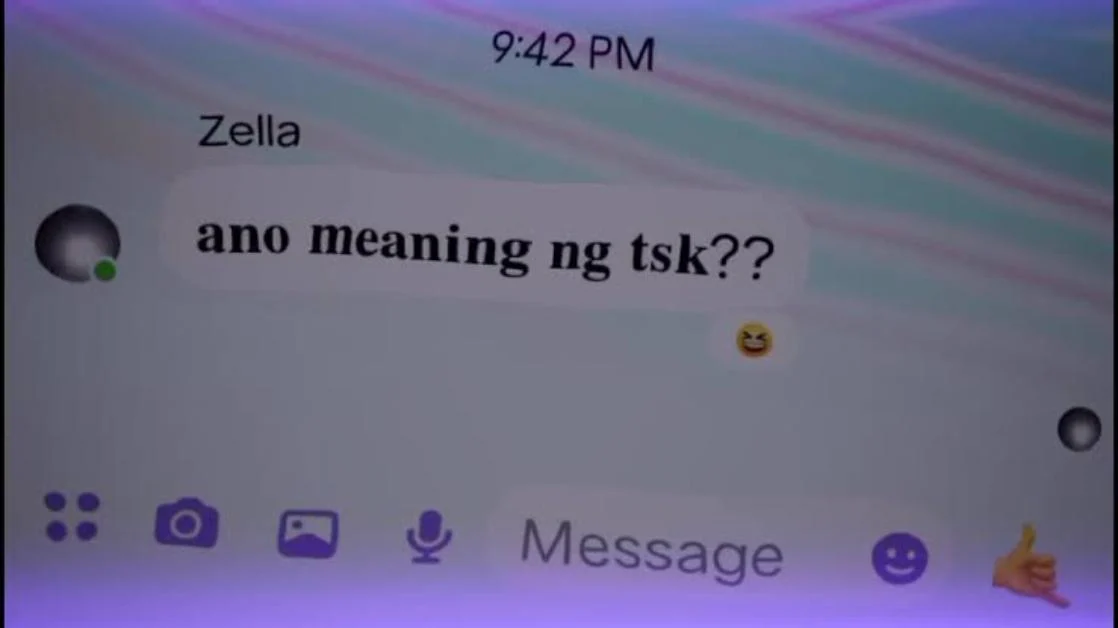
If someone sends you “tsk” in a text message, you may wonder what they are trying to say. Is it a word, an abbreviation, or just a sound?
In most online conversations, tsk meaning in text is a small sound that shows disapproval, annoyance, disappointment, or mild frustration. It is similar to the sound people make by clicking their tongue when they are not happy with something.
The meaning can change slightly depending on the conversation and the relationship between the people chatting.
A friend may use “tsk” in a playful way, while another person may use it to show real disappointment.
This guide explains what TSK means, where it comes from, how people use it on social media, and how you can reply when someone sends it.
By the end, you will know exactly what “tsk” means in everyday digital conversations.
What Does TSK Mean in Text & Chat?
In text messages and online chats, “tsk” usually expresses disapproval, disappointment, annoyance, or mild criticism.
It is not normally an abbreviation with a hidden phrase behind each letter. Instead, tsk is an onomatopoeic expression. That means it represents a sound people make. The sound is often produced by clicking the tongue against the roof of the mouth.
Think of it as the written version of:
- “That’s not good.”
- “Oh, come on.”
- “I’m disappointed.”
- “You shouldn’t have done that.”
- “Seriously?”
- “Hmm, not impressed.”
The exact meaning depends heavily on context.
For example:
- “You forgot your keys again? Tsk.” → Mild disappointment.
- “Tsk tsk, you knew better 😂” → Playful teasing.
- “Tsk. That was a bad idea.” → Clear disapproval.
- “Tsk tsk 😏” → Could be teasing or joking.
The number of times the word appears can also change its tone. “Tsk” may feel mild, while “tsk tsk” can sound more dramatic or playful.
In some conversations, people write “tsk-tsk” instead. Both forms communicate a similar idea.
One important point is that “tsk” does not always mean anger. It can be very lighthearted. Friends may use it simply to tease one another.
So, when you see tsk in a text, look at the words around it, the emojis, and the relationship between the people involved before deciding what the sender means.
Full Form, Stands For & Short Meaning of TSK
A common question is whether TSK has a full form in texting. In ordinary chat, it usually does not.
Unlike abbreviations such as “LOL” or “BRB,” TSK is generally a written representation of a sound. It is better understood as an expression or interjection than a traditional acronym.
Short meaning of TSK
The simplest meaning is:
TSK = a sound showing disapproval, annoyance, disappointment, or mild criticism.
It can also suggest playful judgment when used between friends.
For example:
- “Tsk 🙄” = “I’m not impressed.”
- “Tsk tsk 😂” = “You really did that? Haha.”
- “Tsk, you should know better.” = “That was not a good choice.”
- “Tsk… unlucky.” = “That’s disappointing.”
The expression can be written in lowercase or uppercase:
- tsk
- TSK
- Tsk
- tsk tsk
- tsk-tsk
In casual texting, lowercase “tsk” often feels more natural. Uppercase “TSK” can make the reaction look stronger, but capitalization is not a fixed rule.
It is also important not to confuse “tsk” with an acronym that has a universal full form. If someone asks, “What does TSK stand for in texting?” the safest answer is that it usually doesn’t stand for a phrase. It represents a sound.
The meaning may be different when TSK appears in a technical, academic, business, or professional context. In those situations, it could be an unrelated acronym.
For everyday texting, however, remember this simple definition:
TSK is a written sound used to show disapproval, disappointment, annoyance, or playful teasing.
Origin, History & First Known Use of TSK
The expression “tsk” comes from a sound rather than from a shortened sentence. People have used tongue-clicking sounds in spoken communication for a very long time to express reactions such as disapproval, impatience, or disappointment.
There is no need to expand the letters into a phrase. The spelling tsk attempts to capture the sound in written language.
This is why “tsk” belongs to the same general family as written expressions such as:
- hmm
- ugh
- ah
- shh
- huh
- phew
These expressions do not necessarily represent traditional words. They help turn a written message into something closer to spoken conversation.
The repeated form “tsk-tsk” is also common. Repetition can make the reaction feel stronger or more expressive. For example, a person might say “tsk-tsk” when pretending to scold a friend.
Over time, expressions like “tsk” moved naturally from speech into books, comics, informal writing, and eventually digital communication. Messaging apps and social media made short reaction words even more useful because people often want to communicate an emotion without writing a complete sentence.
Today, tsk is still recognizable in English-language online communication, especially when someone wants to show mild disapproval without sounding extremely serious.
The important thing to remember is that the modern texting use did not create the expression from an acronym. Instead, texting gave people another way to write down an already familiar reaction sound.
Because “tsk” is connected to tone and body language, its meaning can change with context. A serious “tsk” and a joking “tsk 😂” may look similar but communicate very different feelings.
How People Use TSK in Daily Conversations
People use tsk in daily conversations when they want to react quickly to something they consider silly, disappointing, careless, or slightly wrong.
It can be serious, but it is often playful.
For example, imagine a friend says:
“I stayed up all night watching movies and now I’m tired.”
You might answer:
“Tsk tsk 😂”
Here, you are not truly angry. You are teasing your friend for making a predictable choice.
Now consider a different situation:
“He lied to everyone about what happened.”
Someone might respond:
“Tsk. That’s disappointing.”
This version sounds more serious.
Common uses include:
- Showing mild disapproval.
- Teasing a friend.
- Reacting to a silly mistake.
- Expressing disappointment.
- Showing that you expected better.
- Pretending to scold someone.
- Reacting to bad luck.
- Making a conversation more playful.
The surrounding message matters a lot.
Compare these:
- “Tsk.” → Short and possibly serious.
- “Tsk 😂” → Usually playful.
- “Tsk tsk 😏” → Often teasing.
- “Tsk… I warned you.” → More critical.
- “Aww, tsk. Better luck next time.” → Sympathetic rather than angry.
People may also combine “tsk” with other slang or emojis:
- “Tsk, bro 😂”
- “Tsk tsk… what were you thinking? 😭”
- “Tsk 🙄”
- “Tsk, unlucky.”
Because the expression is short, the reader has to understand the tone from context.
TSK Meaning Across WhatsApp, Instagram, TikTok & Snapchat
The basic TSK meaning in text remains similar across major social platforms, but the tone can change depending on the style of the conversation.
On WhatsApp, “tsk” is commonly used in personal conversations. Friends and family may use it to show playful disappointment.
Example:
- “You ate the last slice?”
- “Tsk tsk 😂”
The sender is probably teasing rather than expressing serious anger.
On Instagram, “tsk” may appear in comments, direct messages, or reactions. It can be used when someone posts something funny, questionable, or slightly embarrassing.
Example:
- “You really posted that picture? Tsk 😂”
The meaning is likely playful.
TikTok
TikTok conversations often use short reactions. “Tsk” can fit into comments or messages when someone wants to react to a funny mistake, questionable decision, or dramatic moment.
Example:
- “Tsk, he really thought that would work 😭”
Here, it means something like “Come on, seriously?”
Snapchat
Snapchat messages are usually casual and fast. A person might send only “tsk” as a reaction.
Example:
- “You forgot again.”
- “Tsk 😭”
The emoji helps make the emotional tone clearer.
Across all four platforms, the meaning is usually determined by context, punctuation, emojis, and the relationship between the people chatting.
Different Meanings of TSK in Other Fields
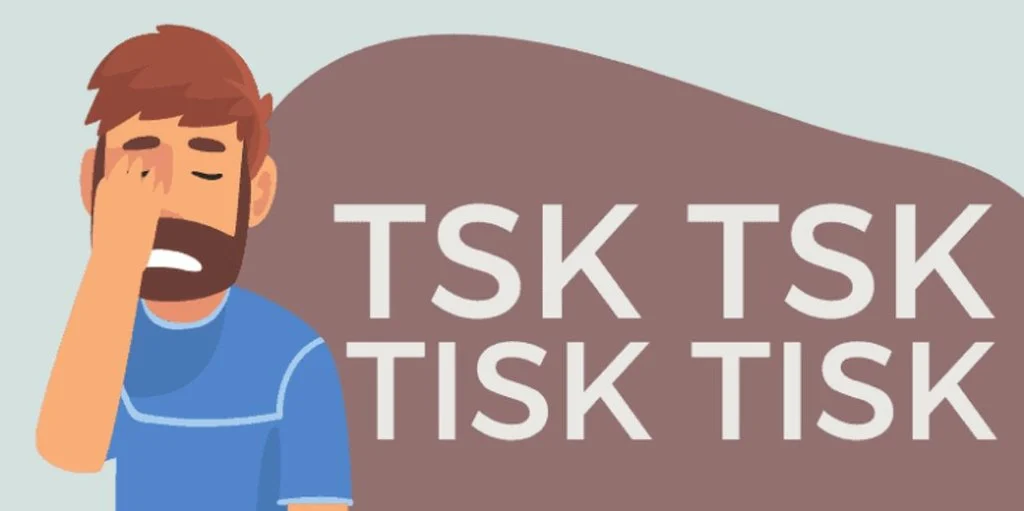
Although tsk in texting usually means a sound of disapproval, TSK can have completely different meanings in other fields.
This is important because not every use of “TSK” is slang.
In technology and professional settings, TSK may be used as an acronym for a specific tool, organization, system, or technical term. One well-known example is The Sleuth Kit, a collection of digital-forensics tools used to examine computer systems and storage media.
Therefore, the meaning of TSK depends on where you see it.
In casual messaging
- tsk = disapproval, disappointment, annoyance, or teasing.
In technology
- TSK may refer to a technical acronym or software-related term.
In business or organizations
- TSK may be an internal abbreviation, company name, project name, or department code.
In specialized subjects
- TSK can have field-specific meanings that have nothing to do with texting.
This is why capitalization alone is not enough to determine meaning.
If someone writes:
“TSK 😂”
in a personal chat, they probably mean the reaction sound.
But if you see:
“Install TSK and analyze the image.”
in a digital-forensics discussion, it may refer to a technical toolkit instead.
When searching for the meaning of an acronym, always consider the platform and subject before choosing a definition.
Common Confusions, Mistakes & Wrong Interpretations
One of the biggest mistakes people make with TSK meaning in text is assuming that it must be an acronym.
It usually is not.
People sometimes try to create a phrase for each letter in “TSK,” but ordinary texting does not require a full form. The word represents a sound.
Another common mistake is assuming that every “tsk” is angry.
That is also incorrect.
The sender could be:
- Genuinely disappointed.
- Mildly annoyed.
- Playfully teasing.
- Pretending to scold you.
- Reacting to bad luck.
- Making a dramatic joke.
Context changes everything
Consider:
“Tsk. You did it again.”
This may sound critical.
Now compare:
“Tsk tsk 😂 You did it again!”
The second version is much more likely to be playful.
Emojis can also change the tone:
- 🙄 → annoyance or disapproval.
- 😂 → joking or teasing.
- 😏 → playful judgment.
- 😭 → exaggerated reaction.
- ❤️ → softer, affectionate tone.
Another mistake is confusing “tsk” with “thanks” abbreviations such as “thx” or “tks.” They are not the same.
If someone sends “tsk”, do not automatically read it as a shortened version of another word.
Finally, avoid assuming the meaning without considering the conversation. If the message seems unclear, the safest approach is to look at what was said immediately before it.
Similar Terms, Alternatives & Related Slang
Several expressions can communicate a feeling similar to tsk, although they are not exact replacements.
“Tsk tsk”
This is probably the closest variation.
- “Tsk tsk, you knew better 😂”
It often sounds playful or mock-scolding.
“SMH”
SMH means “shaking my head.” It can show disappointment, disbelief, or annoyance.
- “You forgot the meeting? SMH.”
“Ugh”
“Ugh” usually expresses frustration, annoyance, or disgust.
- “Ugh, I missed the bus.”
“Seriously?”
This can show disbelief or annoyance.
- “Seriously? You did that?”
“Oh come on”
This often expresses frustration or disbelief.
- “Oh come on, you can’t be serious 😂”
“Sigh”
“Sigh” represents the sound of someone sighing. It can suggest disappointment, tiredness, or frustration.
- “Sigh… I guess I’ll do it myself.”
“Facepalm”
“Facepalm” suggests embarrassment or frustration about something silly.
- “Facepalm. Why did I do that?”
For related abbreviation content, useful internal links could include pages such as:
- What does SMH mean in text?
- What does LOL mean in texting?
- What does UGH mean in chat?
- What does FR mean in text?
- What does TBH mean on social media?
- What does WYD mean in text?
- What does IDK mean in chat?
These related pages can help readers understand other common internet expressions.
Examples of TSK in Real Chat Situations
The easiest way to understand tsk meaning in text is to see it in realistic conversations.
Example 1: Forgetting something
- Alex: “I left my phone at home again.”
- Sam: “Tsk tsk 😂”
- Meaning: Sam is playfully teasing Alex.
Example 2: A bad decision
- Alex: “I spent all my money on snacks.”
- Sam: “Tsk. Poor planning 😭”
- Meaning: Mild disapproval mixed with humor.
Example 3: Friendly teasing
- Alex: “I said I wasn’t going to order dessert.”
- Sam: “Tsk tsk 😏”
- Meaning: Sam is joking because Alex changed their mind.
Example 4: Genuine disappointment
- Alex: “He broke his promise again.”
- Sam: “Tsk… that’s disappointing.”
- Meaning: Sam is showing sympathy and disapproval.
Example 5: Reacting to bad luck
- Alex: “The tickets sold out before I could buy them.”
- Sam: “Tsk 😭”
- Meaning: Sam is expressing disappointment or sympathy.
Example 6: Mock scolding
- Alex: “I stayed awake until 4 a.m.”
- Sam: “Tsk tsk. You need sleep 😂”
- Meaning: Friendly advice presented as playful criticism.
These examples show why there is no single emotional meaning for “tsk.” The surrounding conversation provides the real clue.
How to Reply When Someone Says TSK
Your response should depend on why the person said “tsk.”
If they are teasing you, a playful answer usually works well.
If they are joking
Try:
- “Haha, don’t judge me 😂”
- “I know, I know 😭”
- “Guilty!”
- “What can I say? 😂”
If they seem disappointed
You can acknowledge it:
- “Yeah, my bad.”
- “I know. I should’ve handled it better.”
- “You’re right.”
If you are not sure what they mean
Ask directly:
- “Why the tsk? 😂”
- “Are you judging me? 😭”
- “What did I do now?”
If you want to tease them back
You could say:
- “Tsk yourself 😏”
- “Look who’s talking 😂”
- “Don’t start with me!”
The best response depends on your relationship with the sender. With a close friend, playful teasing is usually fine. In a serious conversation, a simple and calm response is safer.
Remember that “tsk” is often mild. You do not necessarily need to treat it as an insult.
Is TSK Still Popular? Trends & Online Usage

Yes, “tsk” is still understandable in online conversations, although it is not the same type of high-frequency internet abbreviation as “LOL,” “OMG,” or “BRB.”
Its main strength is that it is easy to understand without explanation. People recognize it as a written reaction sound.
The expression also fits modern chat because messages are often short and emotional. Instead of writing:
“I am disappointed that you made that choice.”
someone can simply write:
“Tsk 😭”
The meaning is less formal and more expressive.
Its popularity can also depend on age, culture, language background, and the online community. Some people use “tsk” often, while others may prefer emojis, “SMH,” “ugh,” or phrases such as “come on.”
Social media has also made tone more flexible. An emoji can turn a potentially harsh “tsk” into a joke:
- “Tsk 😂” → playful.
- “Tsk 🙄” → annoyed.
- “Tsk 😭” → exaggerated or sympathetic.
- “Tsk 😏” → teasing.
So while “tsk” may not be one of the newest internet slang terms, it remains useful because it represents a familiar human reaction.
Its meaning is also unlikely to become difficult to understand because the underlying gesture has been part of spoken communication for a long time.
FAQs
What does TSK mean in text?
TSK usually represents a sound made to show disapproval, disappointment, annoyance, or mild criticism. It can also be playful when friends use it to tease each other.
Is TSK an abbreviation?
Usually, no. In casual texting, tsk is generally a written representation of a sound, not an abbreviation where each letter stands for a separate word.
What does “tsk tsk” mean?
“Tsk tsk” is a repeated version of the expression. It can mean “you should know better,” “that’s disappointing,” or “I’m teasing you,” depending on the situation.
Is TSK rude?
Not necessarily. It can sound rude or judgmental in a serious conversation, but friends often use it playfully. The tone depends on context.
What does TSK mean on WhatsApp?
On WhatsApp, tsk usually has the same meaning as in ordinary texting: mild disapproval, disappointment, annoyance, or playful teasing.
What does TSK mean on Instagram?
On Instagram, “tsk” can be used in comments or direct messages to react to someone’s action, post, mistake, or joke. It may be serious or playful.
What does TSK mean on TikTok?
On TikTok, “tsk” can be a short reaction to something funny, questionable, embarrassing, or disappointing. Emojis often make the intended tone clearer.
What is the difference between TSK and SMH?
TSK represents a tongue-clicking sound associated with disapproval, while SMH means “shaking my head.” Both can express disappointment or disbelief, but they have different origins.
What should I reply to “tsk”?
If the person is joking, you can reply with something playful such as “Don’t judge me 😂” or “Tsk yourself 😏.” If they seem serious, simply acknowledge what they are reacting to.
Conclusion:
Understanding tsk meaning in text is simple once you know that it is usually a written sound rather than a traditional abbreviation.
People use “tsk” to show mild disapproval, disappointment, annoyance, disbelief, or playful teasing. The expression can appear in WhatsApp messages, Instagram comments, TikTok conversations, Snapchat chats, and other informal online spaces.
The most important thing is to consider the context. “Tsk.” may sound serious, while “Tsk tsk 😂” can be nothing more than friendly teasing.
Emojis, punctuation, and the relationship between the people chatting can all change the tone.
So, the next time someone sends you “tsk,” you do not need to worry immediately. It usually means something close to “come on,” “I’m disappointed,” or “you should know better.” When in doubt, look at the conversation around it.
